2025-06-13 – A Day Driving Ohio’s Lakefront
Leaving Erie, we headed west on a combination of roads, skipping city driving and hugging the Lake Erie shoreline. Beginning along SR-5, the vineyards diminished and we were soon back to newly planted cornfields and the like. After crossing the border into Ohio, we eventually relented and jumped onto I-90. I-90 soars above Cleveland’s providing and impressive view of its skyline. (And, yes, music fans, we did the unthinkable and skipped the Rock & Roll Hall of Fame.)
West of the city we dropped onto SR-6 which hugs the lake’s shoreline. There’s a lot of money along this small highway and the homes along the water are quite impressive. But, from a driving perspective, it’s a slow go. And, so, we jumped back onto I-90 to get to our night’s camping spot, another Harvest Host; this one in Fremont, OH.
We didn’t get to meet the owner but he directed us by phone to our parking spot which we shared with two other campers. We think his place is a training facility for police K9 dogs because we hear dogs, see kennels and there’s a sheriff’s K9 car parked here. Besides, the owner calls the place “Law Enforcement Training Center”.
Taking the easy way, out we drove to the nearby city of Fremont and ate at the local Applebee’s.
2025-06-14 – Marblehead, OH
This area, halfway between Cincinnati and Toledo, has a peninsula that forms a protected harbor named Sandusky Bay. We started our exploration on the neck on the north side of the bay. Our first stop was a visit to the Liberty Aviation Museum in Marblehead. Recommended by a friend, we expected a museum about aircraft. It was, but it was much more than that.


In its beginning its primary focus was on a single aircraft design, the Ford Trimotor, aka “The Tin Goose” of the late 1920s. The Trimotor was the first production all metal aircraft and was designed to fly passengers, not just mail. Its three engines allowed it to fly faster and higher than other planes. The “Tin Goose” nickname was due to its corrugated exterior and association with Ford’s Model T car. The museum has two of them, one still is undergoing restoration but the other flies regularly, taking passengers for rides. There are many other aircraft as well.
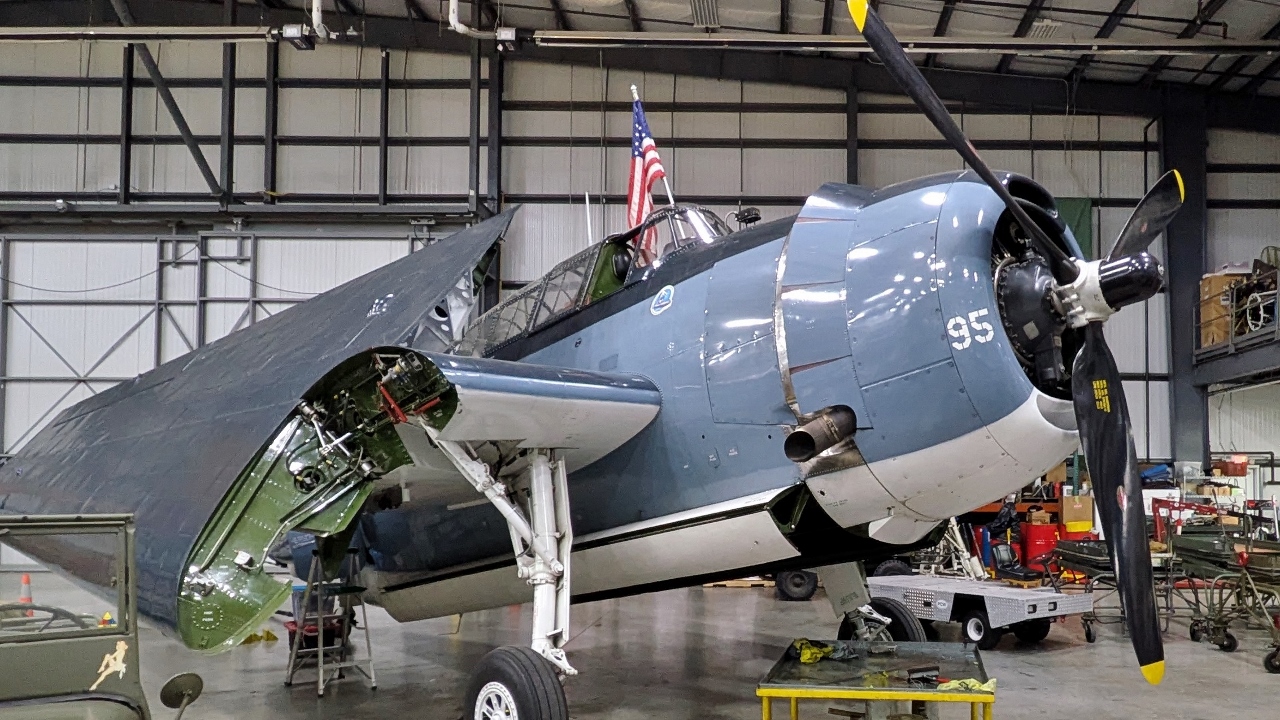

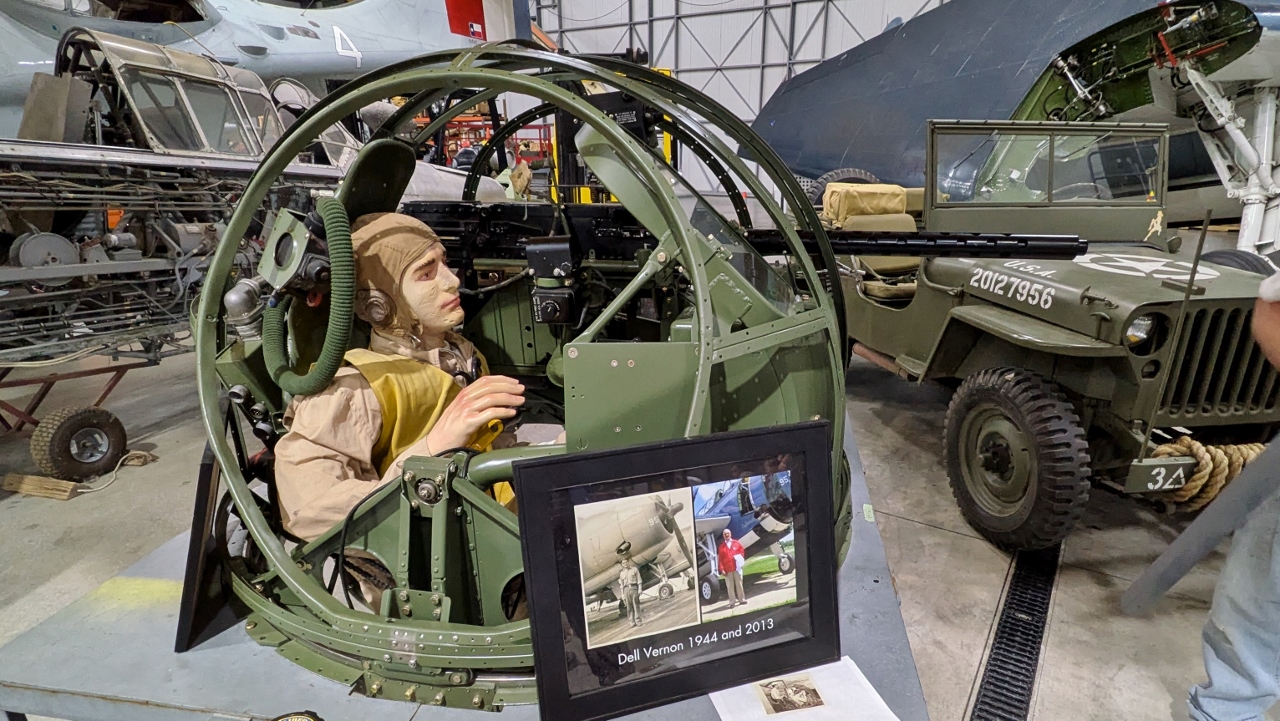
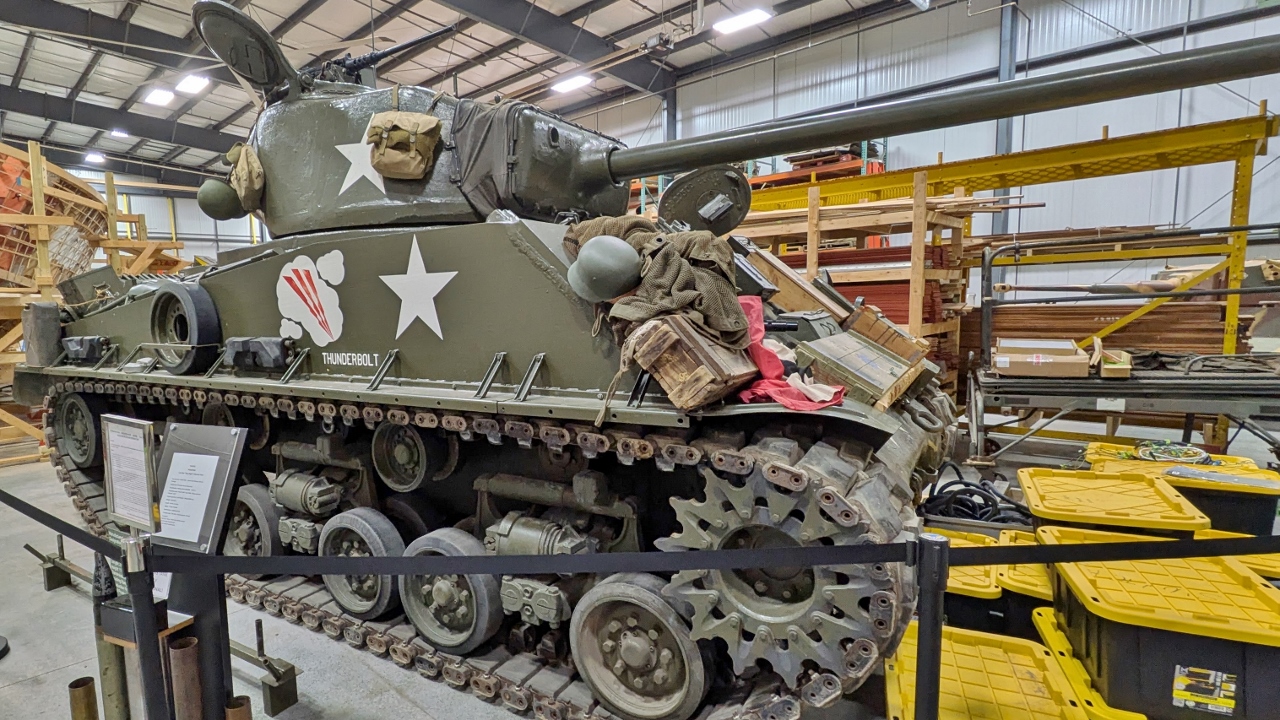
In truth, though, aircraft are just the beginning. The museum boasts an amazingly eclectic assortment of items including a ton of WWII era and other memorabilia. There are autographed photos and articles associated with notable aviatiors, tanks, many other airplanes, light artillery and even a PT boat.




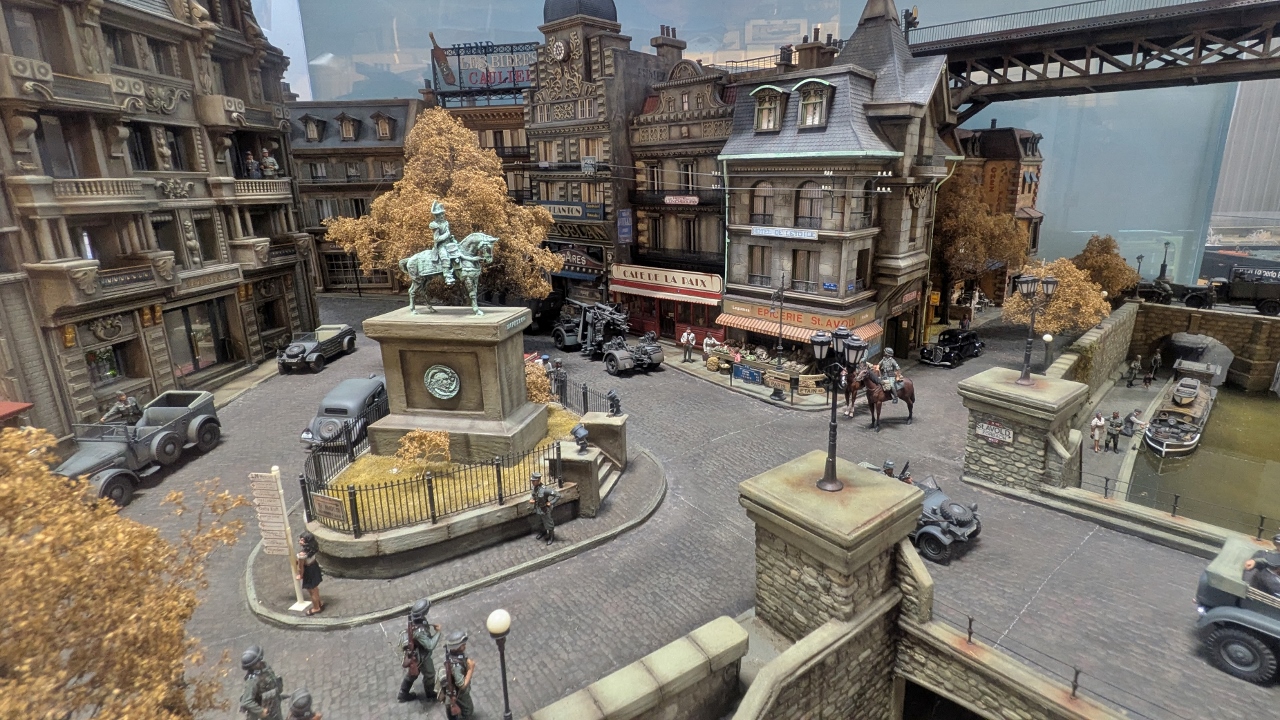
A large collection of amazing dioramas, mostly about WWII, occupies one large room.

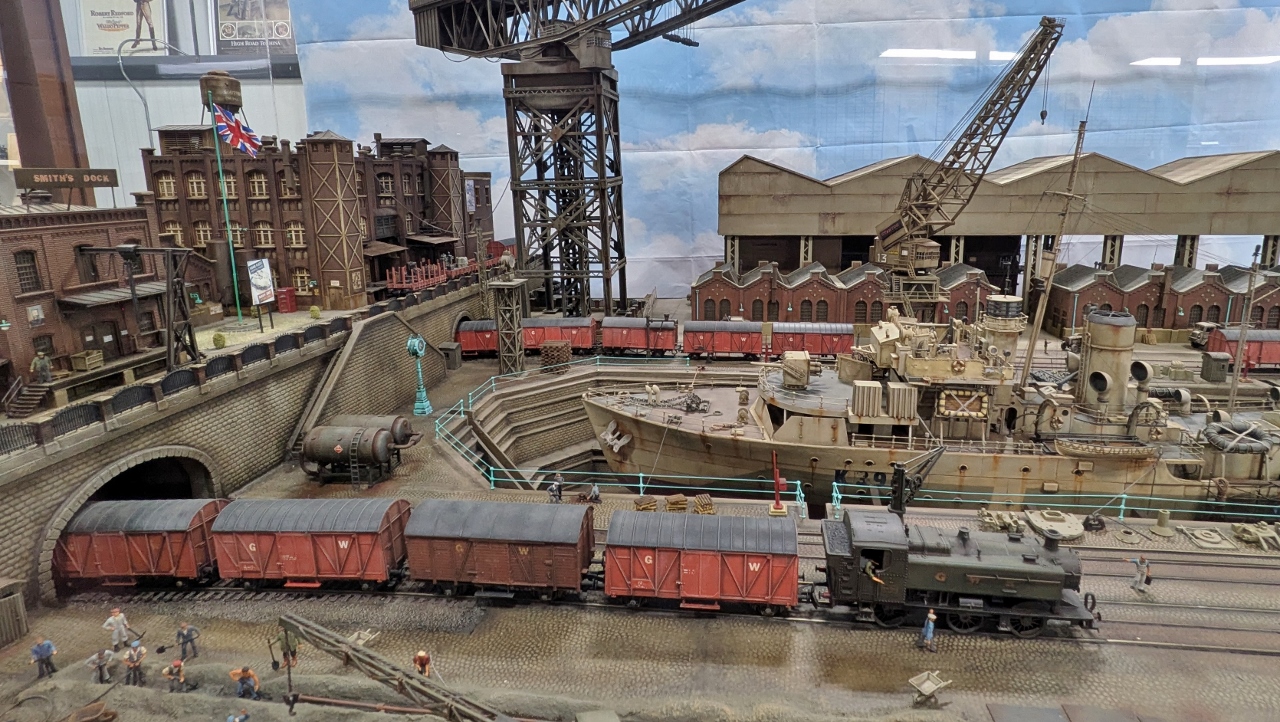
No matter what your interests, this museum has much to offer. They even feature a popular operating restaurant named, you got it, the Tin Goose Diner.

At the end of the peninsula, the lovely town of Marblehead features Marblehead Lighthouse. It’s a state park but the moving force behind the place is its historical society. There is the usual keeper’s house and a lifesaving station. We were most fascinated by the lifesaving station with excellent displays of a lifesaving boat, mounted on tracks for fast launching, and the breeches buoy used to rescue people from stranded boats.

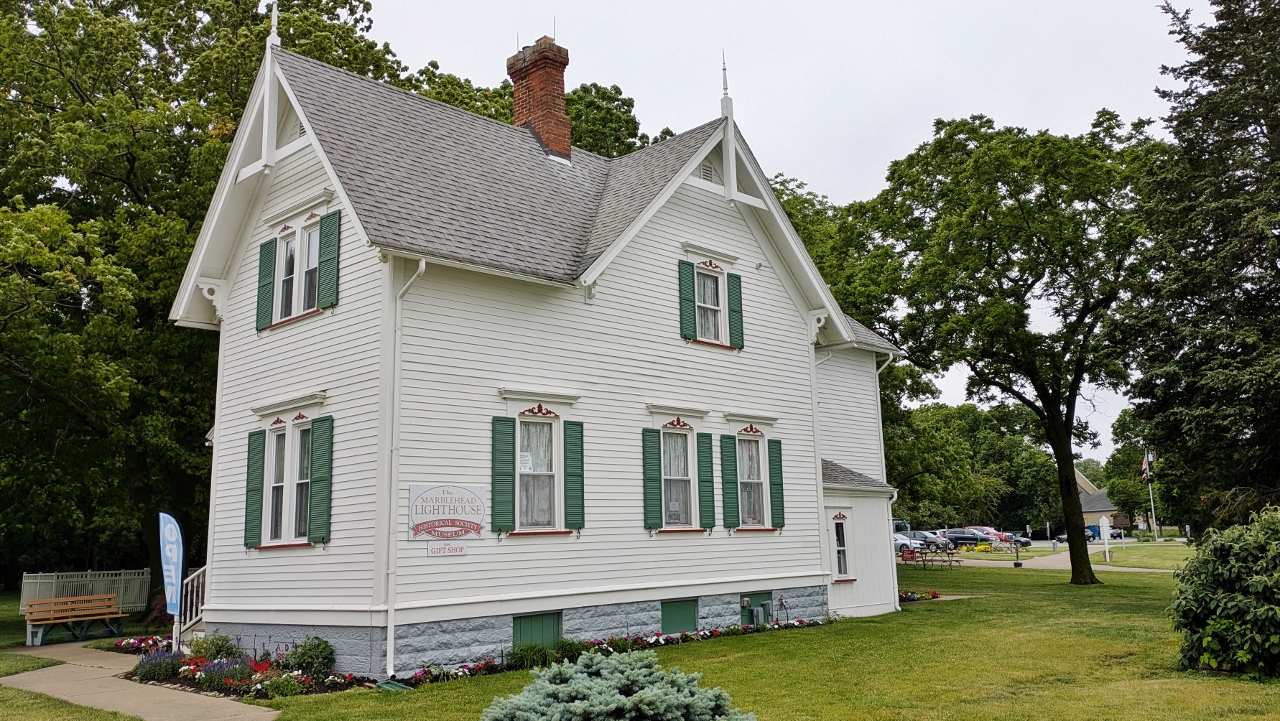


We also drove around Catawba Island, which extends out from the north side of the peninsula, stopping at two state parks. Then it was on to Port Clinton to take a gander at its lighthouse.

We’re impressed with this area. The area is clearly a vacation mecca but it manages to be that without high-rise hotels or tacky souvenir shops. The peninsula is known for its peach orchards. There is still lots of agriculture and there are nature preserves everywhere. Mostly, visitors seem to occupy rental cottages or are permanently set up in campgrounds.
That evening we fell back on an old reliable quick meal, baked potatoes and chili from Wendy’s and a homemade salad.
2025-06-15 – Sandusky, OH
We met our host this morning. He is with the sheriff’s department and is a K9 officer. And he does run a K9 training center. He recently purchased the property and operation from the people who started the business and for whom he was a trainer. Bill got a tour of the kennels and the training facilities. Dogs are trained to find drugs and to apprehend and control people. The training is not only for dogs but also for the handlers and has to meet strict certification standards.
We were mystified as we drove to Sandusky to see a train loaded with coal leaving the city. Did they mine coal here? We think not. We later learned that there is a coal terminal at the edge of town where shiploads of coal from Pennsylvania and West Virginia arrive by ship and are then loaded onto trains destined, mostly, for generating electricity. Interestingly, the terminal originally served to export coal mined in Ohio.

Sandusky has been named the Best Coastal Small Town in America and it appears to live up to that distinction. We parked at the far end of town and rode their very nice bike path along the shoreline. The town was a bustling port so the shore line consists of a series of wharfs and old warehouses. Everything along the shore was beautifully designed with landscaping and sculptures that are reportedly rotated on a regular basis. Several of the wharfs were converted to parks with parking, benches and shade. A small ferry terminal serves people who want to travel to several islands off the area. And the warehouses have been repurposed as offices and living quarters.
We didn’t go there, but Cedar Point is a prominent amusement park on a narrow island off of the city. It is known for its large number of roller coasters, like eighteen of them, including some of the highest and fastest in the country.
We did visit another amusement attraction, though, the Merry-Go-Round Museum. Opened in 1990 in the former Sandusky Post Office, they obtained and restored a carousel machine that came without any figures. They then populated with figures in their collection and with figures on loan from other collections. We learned that most carousels traveled from place to place, were set up in a park or field, operated for a week or so and then moved on to the next location.

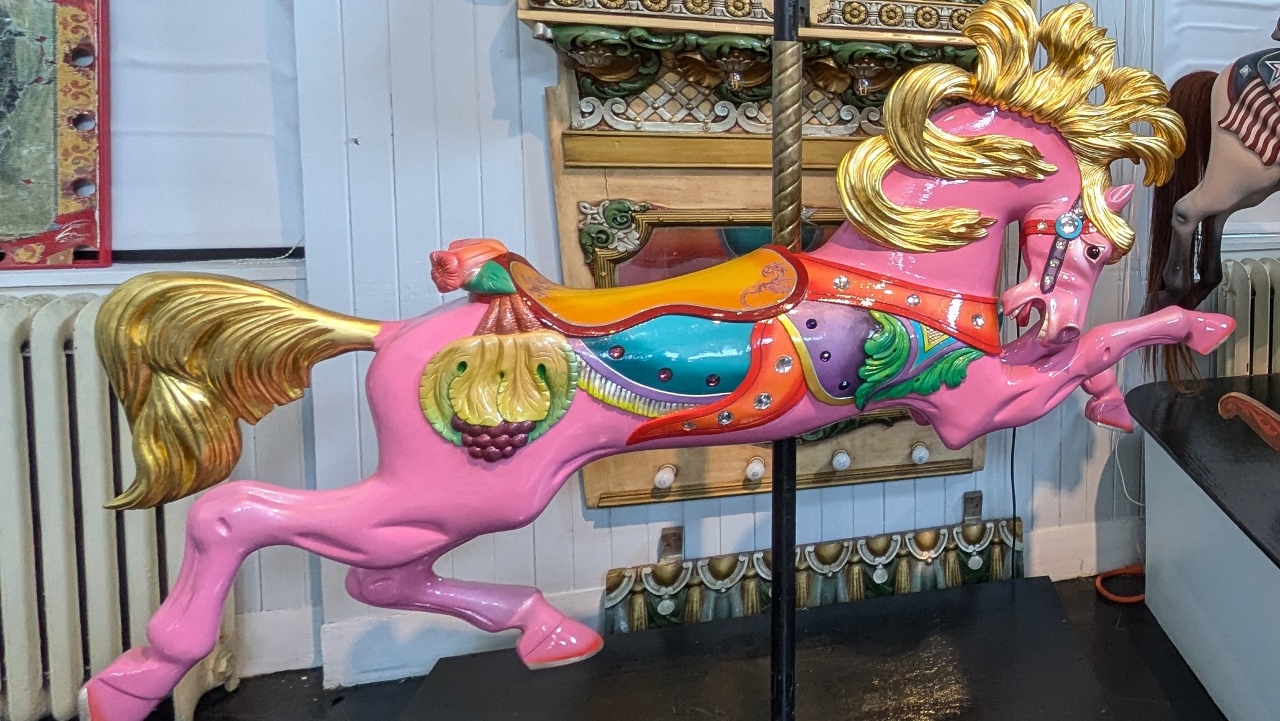
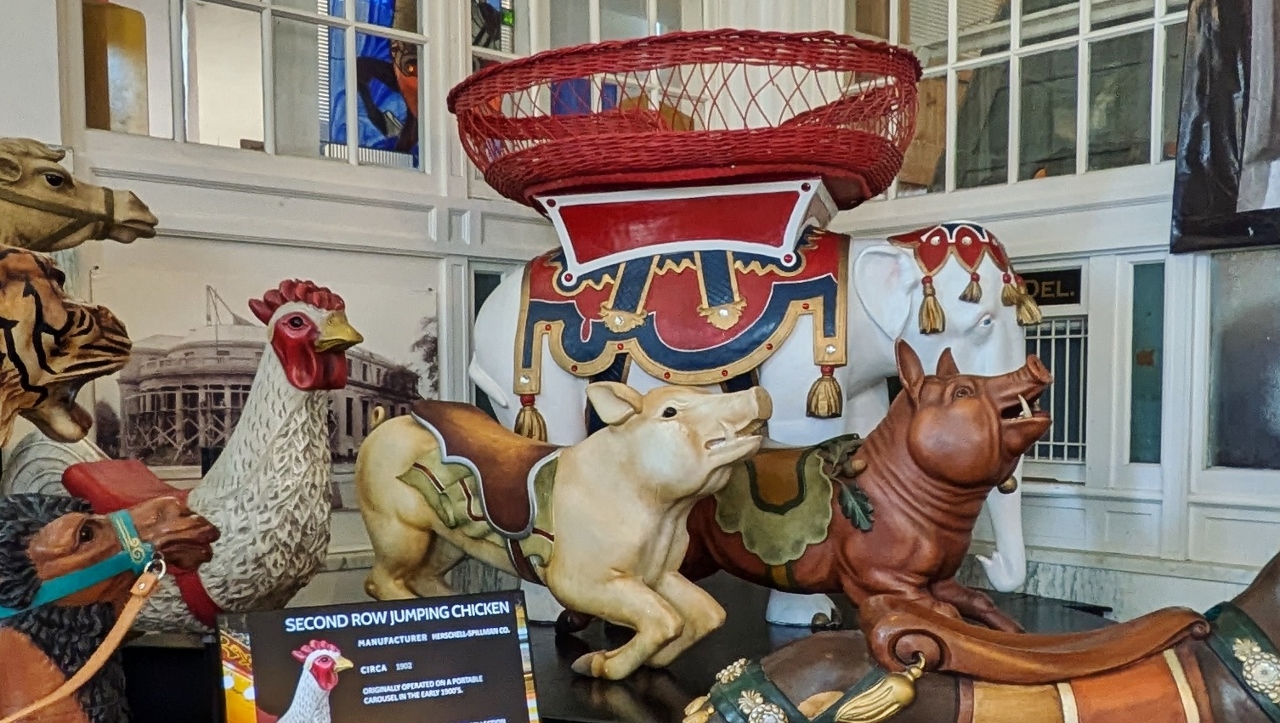
The collection of figures is wonderful. While horse figures are in the majority, all sorts of fanciful figures are in the collection. And, while carousel riders don’t generally appreciate the work, the carving and design artistry of most of the figures is remarkable.
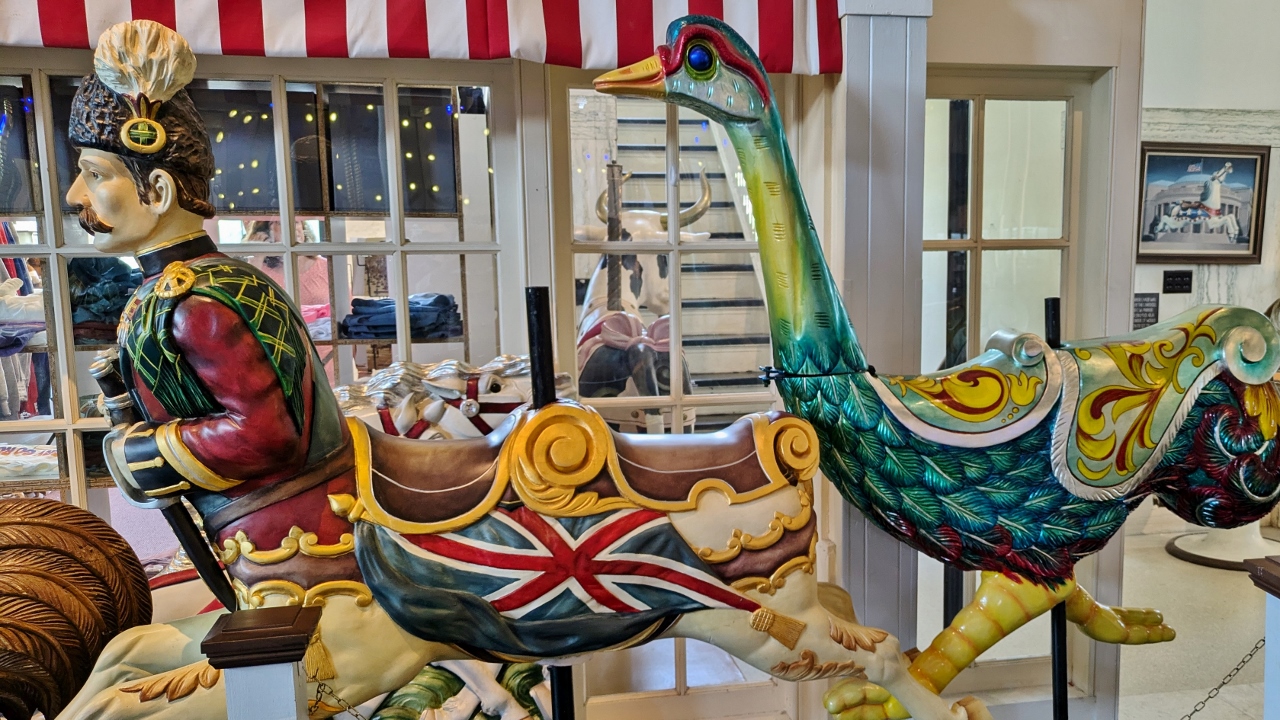

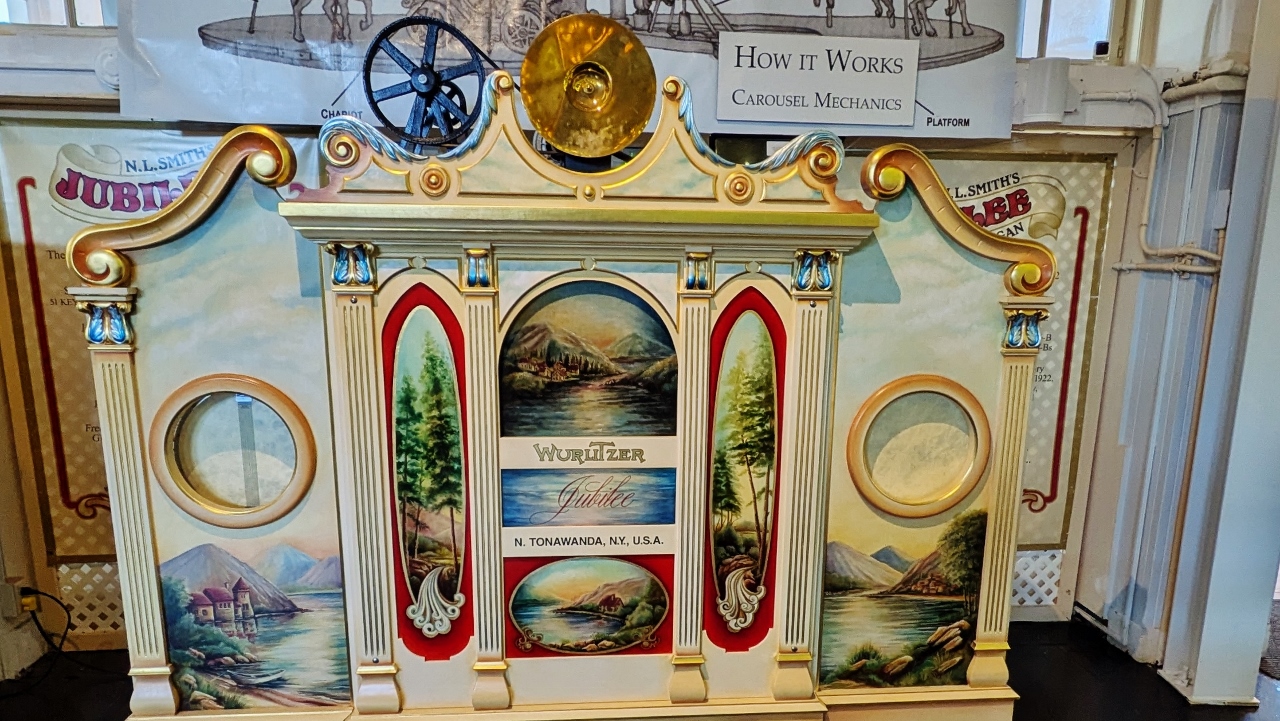
Music was part of every merry-go-round and band machines that provided the music were also on display.

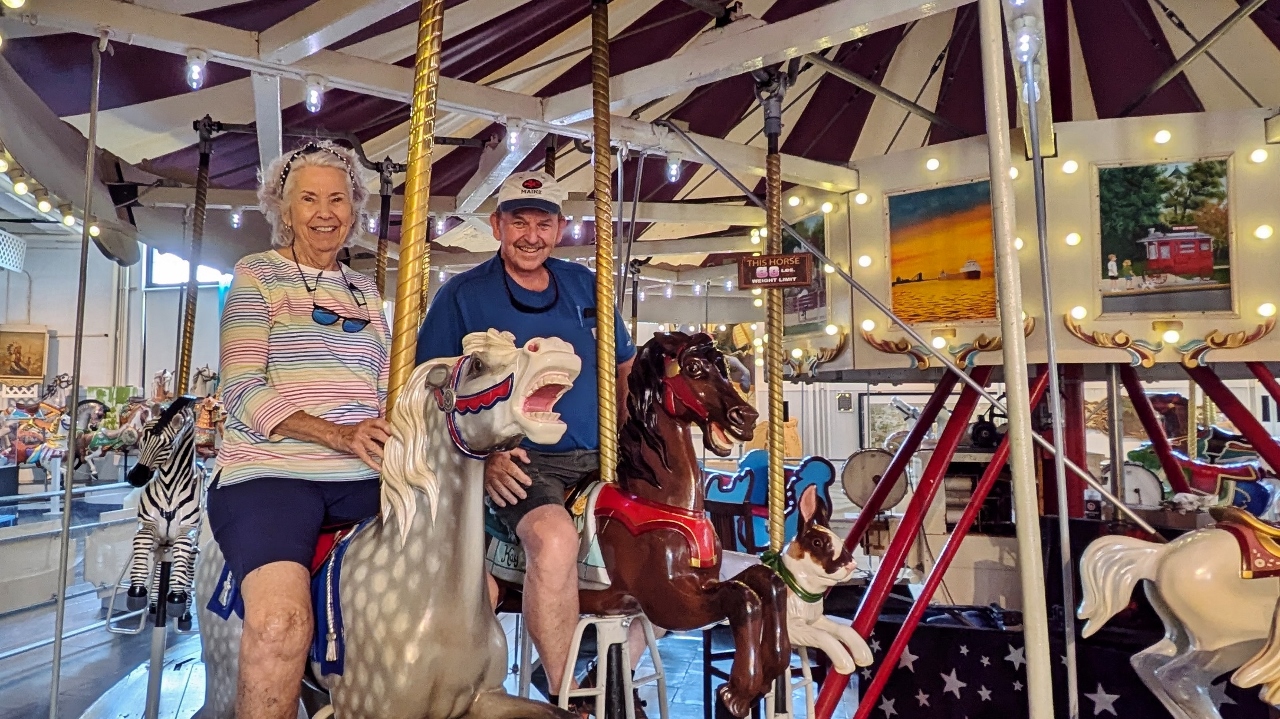
Of course, our admission included a ride. So we chose side-by-side figures, struggled to lift our aging butts onto the saddles and off we went. It was a blast!
One more stop was on our agenda, the Rutherford B. Hayes Presidential Library & Museums. It’s in Fremont, just a few miles from the place we’re staying. Hayes was the first President for whom a library was created. Fremont was the location of his summer home while he was governor of Ohio and the place he retired to after his term as president.

The library is America’s first presidential library and the forerunner for the federal presidential library system. It is located right on the same 25-acre estate, called Spiegel Grove, as his home. The library was begun by his second son as a memorial to his father to make his father’s presidential papers and books available to the public for research and learning.
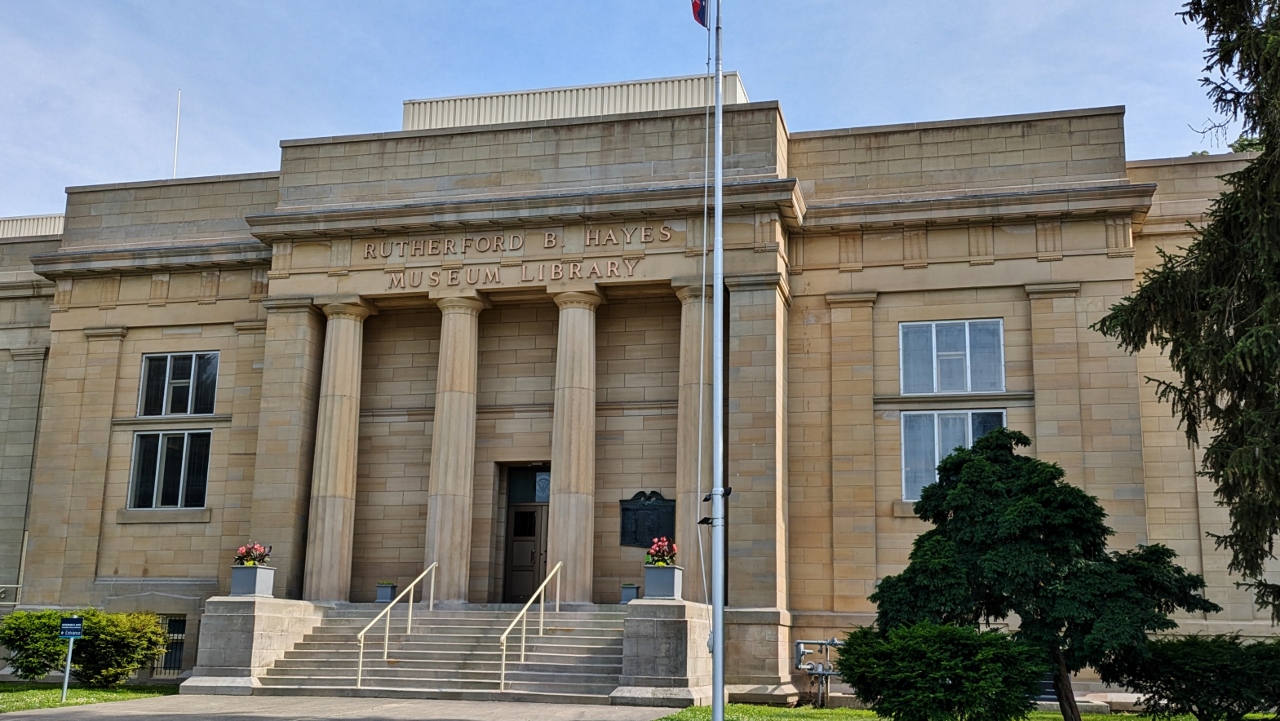
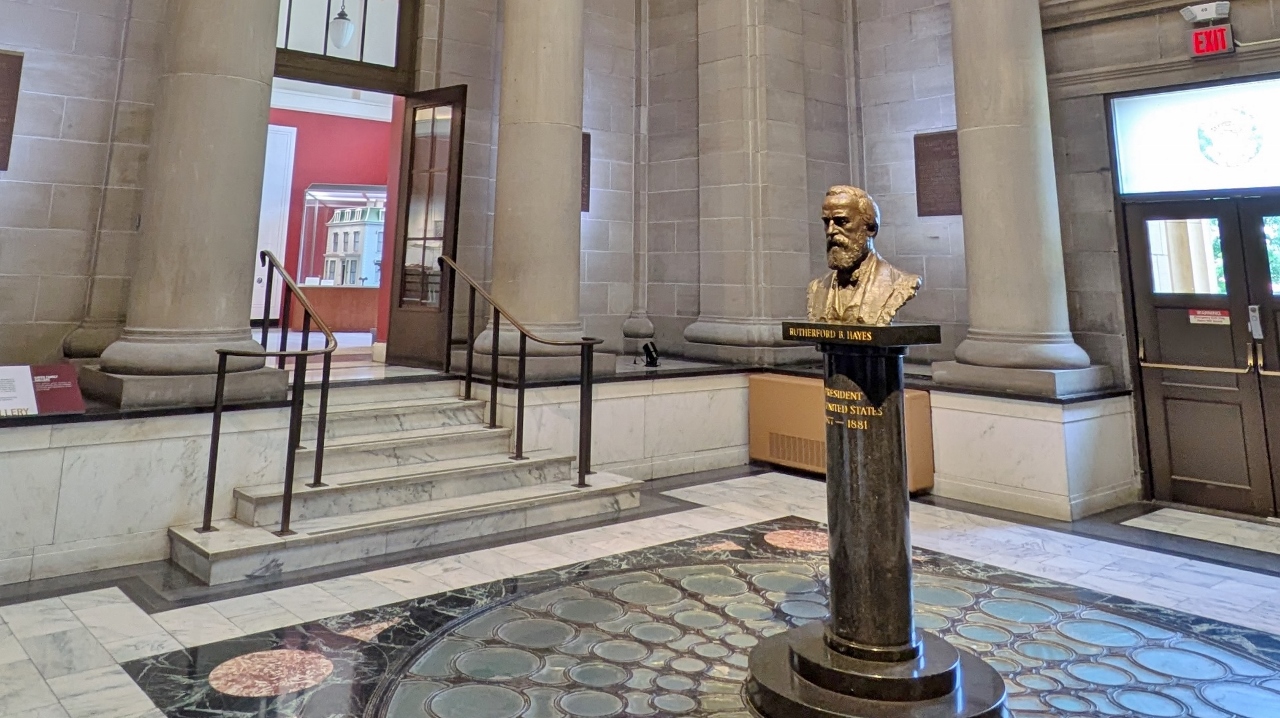
While modest compared to other presidential libraries, it presents a good summary of his presidency and of his life before and after his term. It was interesting to compare some of the aspects of presidential politics then and now. Presidential candidates of the time did not actively campaign, leaving that activity to supporters. But election fraud and the vagarities of our good old Electoral College lead to disputed results in South Carolina, Florida, and Louisiana with both parties claiming victory. When a final result was worked out, Hayes won by a single vote.

Hayes inherited the estate from his uncle. He liked to entertain and had a large family with lots of grandchildren whom he liked having around.
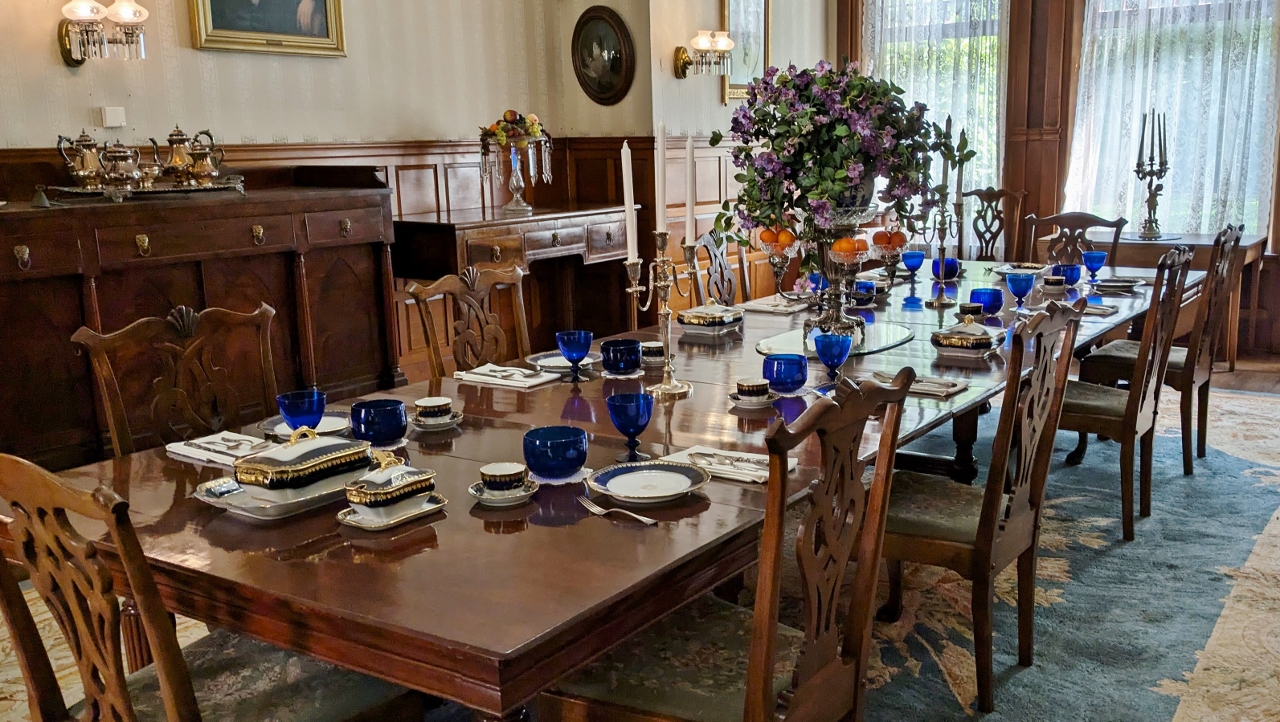
So he expanded the house over time. In its final form it had more than 30 rooms and 10,000 square feet of living space. Lots of color and pattern were in fashion at the time and the house reflects that in spades. The wallpapers and rugs are beautiful as are the fireplaces which look like marble but are actually faux painted soapstone for the most part.

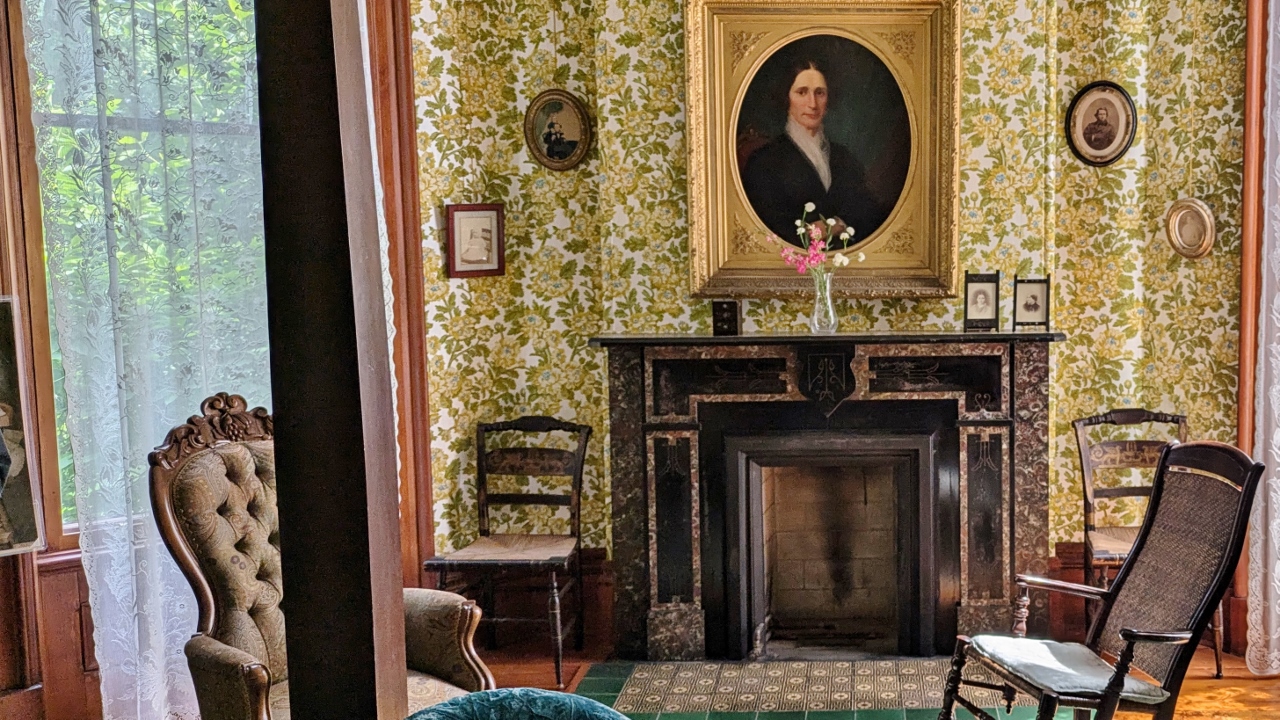
The house still has most of the furniture left from his occupancy. Many of the rooms have been restored to their appearance at the time of his death because they have photos which were taken at that time.


The massive central staircase stretches to the third floor and is striking. Nice digs!

Back at the homestead we made up a pot of delicious cream of crab soup using a pound of crab claw meat we had on hand. We supplemented the soup with a salad. Yummy!